Asset allocation is a cornerstone of successful investing, and it’s often misunderstood. It’s not simply about picking the “best” stock; it’s about strategically distributing your investments across different asset classes to manage risk and maximize potential returns. Asset allocation is a fundamental principle for building a diversified portfolio that aligns with your individual goals, time horizon, and risk tolerance. Without a well-defined asset allocation strategy, investors can easily become overly exposed to any single asset class, leading to significant losses during market downturns. This article will delve into the core concepts of asset allocation, exploring various strategies and providing practical guidance to help you create a plan that works for you.
Understanding the Importance of Asset Allocation
The market is inherently volatile. Economic cycles, geopolitical events, and investor sentiment can all cause significant fluctuations in asset prices. Trying to time the market – predicting when to buy and sell – is notoriously difficult, and often leads to losses. Instead, a disciplined approach to asset allocation – diversifying your investments across different asset classes – significantly reduces the impact of market volatility. Asset allocation helps to mitigate risk by spreading your investments across a range of assets with varying levels of correlation. This diversification reduces the overall volatility of your portfolio.
Historically, investors have found that a portfolio heavily weighted towards stocks tends to perform better during periods of growth, but also experiences greater volatility. Conversely, a portfolio heavily weighted towards bonds tends to be more stable but may offer lower returns. The optimal asset allocation depends on your individual circumstances. Factors like your age, risk tolerance, investment goals (e.g., retirement, down payment on a house), and time horizon all play a crucial role in determining the right mix. A younger investor with a long time horizon can typically afford to take on more risk, allocating a larger portion of their portfolio to stocks. As you approach retirement, a more conservative approach with a greater emphasis on bonds is often recommended.
Core Asset Classes: Understanding the Landscape
Let’s break down the primary asset classes that typically comprise a well-diversified portfolio:
- Stocks (Equities): Stocks represent ownership in a company and offer the potential for high growth. They are generally considered riskier than bonds but also offer the potential for greater returns. Different types of stocks include large-cap, mid-cap, and small-cap stocks, each with varying levels of risk and potential reward.
- Bonds (Fixed Income): Bonds are loans you make to a government or corporation. They typically offer lower returns than stocks but are generally considered less risky. Different types of bonds include government bonds, corporate bonds, and municipal bonds.
- Cash: Cash provides stability and liquidity, serving as a safe haven during market downturns. It typically offers the lowest returns but is essential for short-term goals and emergency funds.
- Real Estate: Real estate can provide diversification and potential income through rental properties. However, it’s a relatively illiquid asset class and requires significant capital.
- Commodities: Commodities, such as gold, oil, and agricultural products, can act as an inflation hedge. They are often volatile and require specialized knowledge.
Building Your Asset Allocation Strategy

Creating a successful asset allocation strategy is a process of careful consideration and ongoing adjustments. Here’s a step-by-step approach:
- Define Your Goals: Clearly articulate your investment goals – what are you saving for? When will you need the money? What is your risk tolerance?
- Determine Your Time Horizon: How long do you have until you need to access the funds? A longer time horizon allows for greater risk-taking.
- Assess Your Risk Tolerance: How comfortable are you with the possibility of losing money? Use risk tolerance questionnaires or discussions with a financial advisor to gauge your comfort level. This is a critical step.
- Determine Your Asset Allocation: Based on your goals, time horizon, and risk tolerance, determine the appropriate percentage allocation to each asset class. A common starting point for many investors is a 60/40 or 80/20 split between stocks and bonds, but this can be adjusted based on individual circumstances. A more conservative approach might be 40% stocks and 60% bonds, while a more aggressive approach could be 80% stocks and 20% bonds.
- Diversify Within Asset Classes: Don’t just invest in one stock or one bond. Diversify within each asset class by investing in a variety of companies, industries, and bond issuers.
- Rebalance Regularly: Over time, your asset allocation will drift due to market fluctuations. Rebalancing involves selling some assets that have performed well and buying assets that have underperformed to restore your target allocation. This helps to maintain your desired risk level.
The Role of ETFs and Mutual Funds
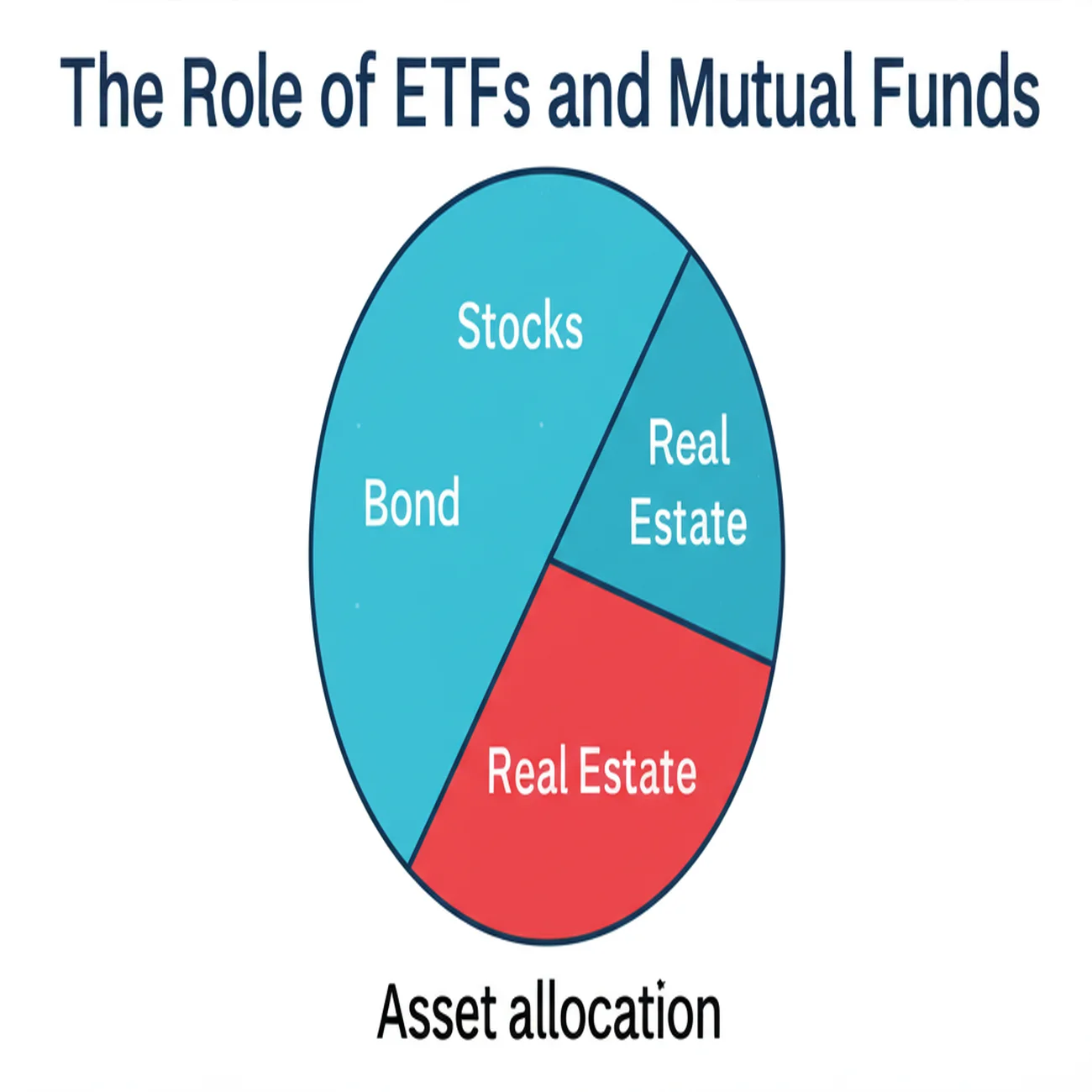
Exchange-Traded Funds (ETFs) and Mutual Funds offer a convenient way to achieve diversification at a low cost. ETFs trade like stocks, while mutual funds are bought and sold directly from the fund company. They provide instant diversification across a broad range of assets. Consider using ETFs or mutual funds that align with your asset allocation strategy. For example, a target-date fund automatically adjusts its asset allocation over time as you approach retirement.
Staying Informed and Adapting Your Strategy
The investment landscape is constantly evolving. It’s crucial to stay informed about market trends, economic developments, and changes in tax laws. Regularly review your asset allocation strategy and make adjustments as needed. Consider consulting with a qualified financial advisor to help you develop a personalized plan. They can provide objective advice and help you navigate the complexities of investing.
Conclusion
Asset allocation is a fundamental element of successful investing. By carefully considering your goals, risk tolerance, and time horizon, you can create a diversified portfolio that helps you achieve your financial objectives. Understanding the different asset classes, building a well-defined strategy, and regularly rebalancing your portfolio are key to long-term success. Remember that asset allocation is not a one-size-fits-all solution; it’s a dynamic process that requires ongoing attention and adjustments. Ultimately, the goal is to build a portfolio that aligns with your values and helps you achieve your financial dreams.
