
Asset allocation is a cornerstone of successful investing, and it’s often misunderstood. It’s not simply about picking the “right” stock; it’s about strategically distributing your investments across different asset classes to manage risk and maximize potential returns. Asset allocation strategies are complex, but understanding the core principles is vital for building a diversified portfolio that aligns with your individual goals and risk tolerance. This article will delve into the key components of effective asset allocation, exploring different approaches and providing practical guidance for beginners. We’ll examine the benefits of diversification, the role of different asset classes, and how to tailor your strategy to your specific circumstances. Let’s begin.
Understanding the Importance of Asset Allocation

The fundamental principle behind effective asset allocation is that different asset classes perform differently under various market conditions. Stocks, for example, tend to be more volatile than bonds, which are generally considered less risky. A well-constructed asset allocation strategy aims to balance risk and return, creating a portfolio that can weather market downturns while still providing opportunities for growth. Without proper consideration, investors often end up over-exposed to one asset class, leading to significant losses when that asset class underperforms. Asset allocation strategies are designed to mitigate this risk by diversifying across a range of investments.
Historically, investors have found that a diversified portfolio, typically weighted towards stocks and bonds, has historically delivered higher returns than portfolios concentrated in a single asset class. However, the optimal allocation depends heavily on individual circumstances. Factors like age, time horizon, risk tolerance, and financial goals all play a crucial role in determining the right mix. A younger investor with a long time horizon and a higher risk tolerance might allocate a larger portion of their portfolio to stocks, while an older investor nearing retirement might favor a more conservative allocation with a greater emphasis on bonds. It’s crucial to remember that there’s no one-size-fits-all solution; the best asset allocation strategy is the one that’s tailored to you.
Core Asset Classes: A Breakdown
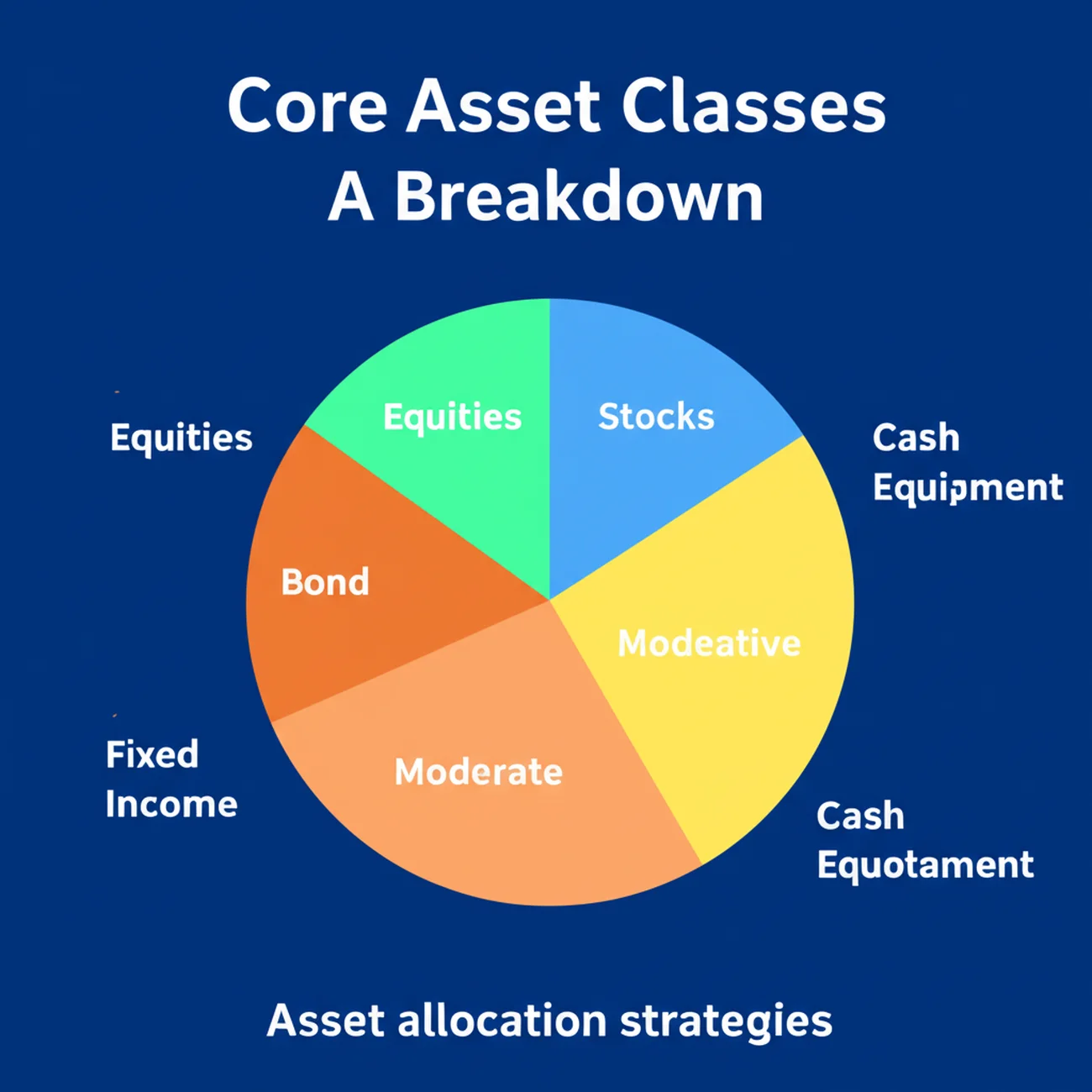
Let’s explore the primary asset classes that typically form the basis of a well-diversified portfolio:
-
Stocks (Equities): Stocks represent ownership in a company and offer the potential for high growth. They are generally more volatile than bonds, but also offer the potential for greater returns. Different types of stocks exist, including large-cap, mid-cap, and small-cap stocks, each with varying levels of risk and potential reward. Large-cap stocks are those of companies with a large market capitalization (total value of outstanding shares). Mid-cap stocks are companies with a medium market capitalization. Small-cap stocks represent smaller companies, often with higher growth potential but also higher risk.
-
Bonds (Fixed Income): Bonds are loans made to governments or corporations. They are generally considered less risky than stocks and provide a more stable income stream. Bonds are categorized by credit rating – investment-grade bonds (rated BBB or higher) are considered relatively safe, while high-yield bonds (rated below investment grade) carry a higher risk of default. Government bonds are issued by national governments and are typically considered the safest type of bond. Corporate bonds are issued by corporations and offer higher yields than government bonds but also carry more risk.
-
Real Estate: Real estate investments can provide diversification and potential income. Direct property ownership, such as rental properties, can generate cash flow, but also requires significant management effort. Real estate investment trusts (REITs) offer a more liquid way to invest in real estate without directly owning property.
-
Commodities: Commodities, such as gold, oil, and agricultural products, are raw materials that can serve as an inflation hedge. Investing in commodities can offer diversification benefits and potentially generate returns during periods of economic uncertainty.
Diversification: The Key to Risk Management

Diversification is arguably the most important principle in asset allocation. It involves spreading your investments across a variety of asset classes, sectors, and geographic regions to reduce the impact of any single investment performing poorly. Diversification doesn’t mean you have to invest in every single asset class; it means spreading your investments across a range of options that are not highly correlated. For example, a portfolio heavily weighted in technology stocks might be vulnerable if the tech sector experiences a downturn. By including bonds and other asset classes, you can mitigate this risk.
Consider a portfolio with a 60% allocation to stocks, 30% to bonds, and 10% to real estate. This diversified approach offers a balance between growth potential and risk management. However, the optimal allocation will vary depending on your individual circumstances. A younger investor with a longer time horizon might allocate a larger percentage to stocks, while an older investor nearing retirement might favor a more conservative allocation.
Calculating Your Asset Allocation
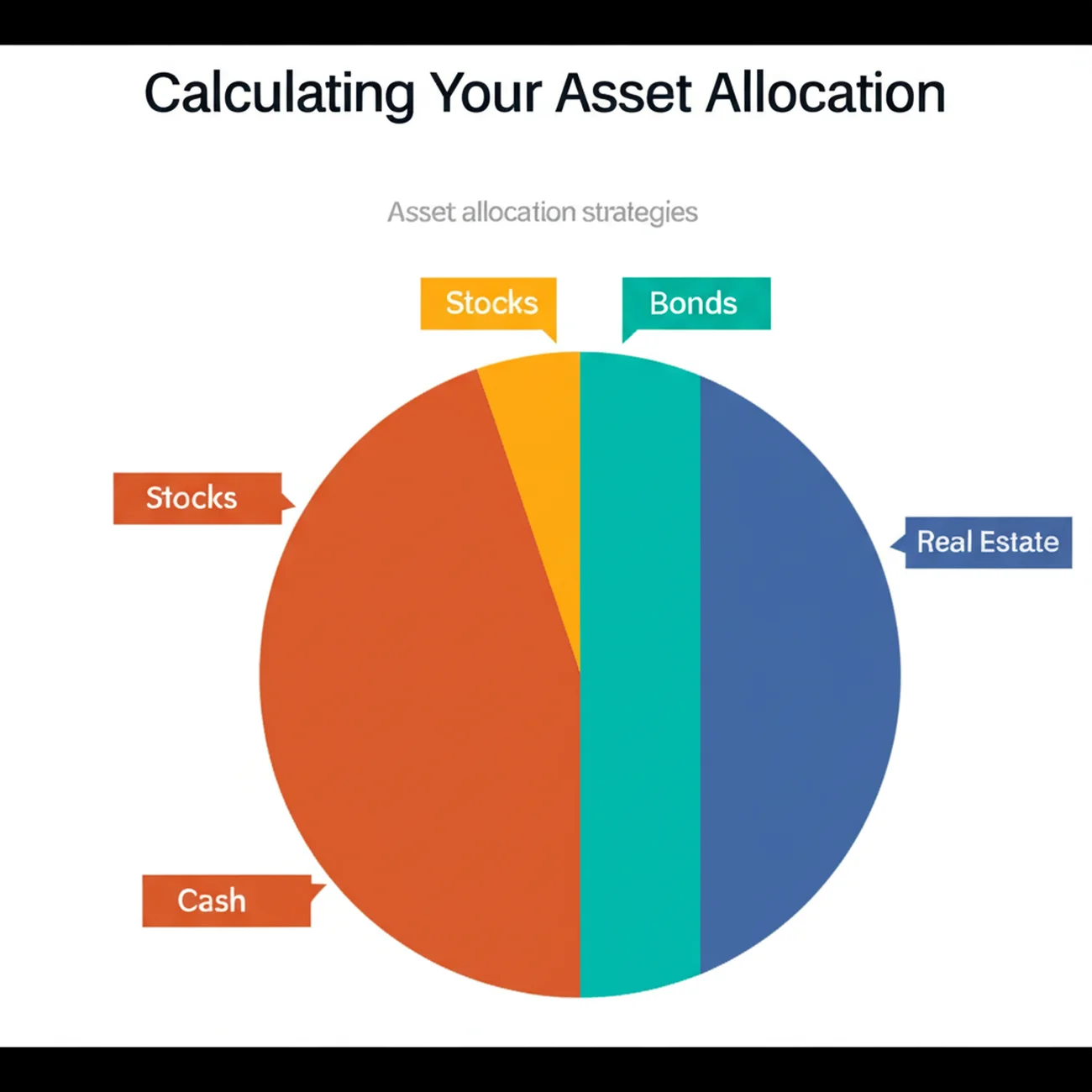
Determining the right asset allocation requires careful consideration of several factors. There are several online tools and calculators available that can help you estimate your asset allocation based on your risk tolerance and financial goals. These tools typically ask you questions about your age, income, expenses, and investment time horizon. Some popular options include:
- Morningstar Asset Allocation Tool: https://www.morningstar.com/asset-allocation-tool
- Vanguard Asset Allocation Calculator: https://www.vanguard.com/asset-allocation-calculator/
It’s important to remember that these tools are estimates and should be used as a starting point for your own analysis. A financial advisor can provide more personalized guidance.
The Role of Risk Tolerance
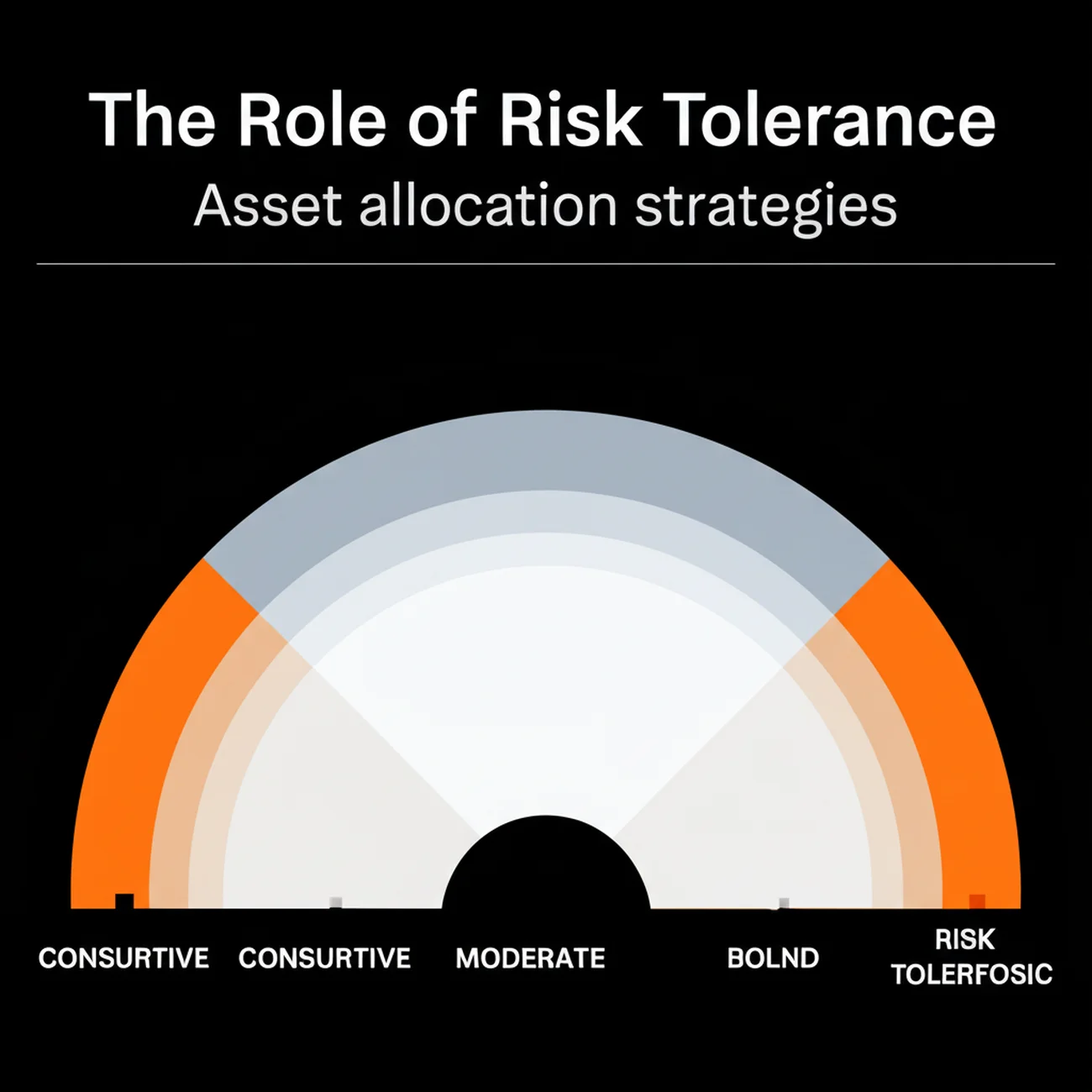
Risk tolerance is a crucial element of asset allocation. It represents your ability and willingness to withstand potential losses in your investments. A higher risk tolerance allows you to allocate a larger portion of your portfolio to stocks, which offer the potential for higher returns but also carry greater risk. A lower risk tolerance favors a more conservative allocation with a greater emphasis on bonds, which are generally less volatile. It’s vital to honestly assess your risk tolerance before making any investment decisions. Don’t overestimate your ability to handle losses – investing should be a long-term strategy.
Tax Implications and Asset Allocation

Tax implications can significantly impact your investment returns. Consider the tax implications of different asset classes and investment strategies. For example, capital gains taxes apply to profits from selling investments. Tax-advantaged accounts, such as 401(k)s and IRAs, can help minimize your tax burden. Asset allocation strategies should be designed to take into account your tax situation.
Staying Informed and Rebalancing
Asset allocation is not a static process. Market conditions change, and your risk tolerance may evolve over time. It’s essential to regularly review your asset allocation and rebalance your portfolio as needed. Rebalancing involves selling some of your investments that have performed well and buying more of your investments that have underperformed to restore your desired asset allocation. This helps to maintain your risk profile and potentially improve returns. Rebalancing typically occurs annually or semi-annually.
Conclusion: Building a Solid Foundation
Asset allocation strategies are a fundamental component of successful investing. By carefully considering your risk tolerance, financial goals, and time horizon, you can create a diversified portfolio that can help you achieve your financial objectives. Understanding the different asset classes, diversification principles, and the importance of ongoing monitoring and rebalancing is crucial for building a solid foundation for long-term wealth creation. Remember that asset allocation strategies are a dynamic process, requiring continuous evaluation and adjustment to adapt to changing market conditions. Consulting with a qualified financial advisor can provide valuable guidance and support throughout your investment journey. Ultimately, the goal is to create a portfolio that aligns with your individual needs and aspirations, allowing you to navigate the complexities of the market with confidence.
