
Asset tracking systems are no longer a futuristic concept; they’re a critical component of modern business operations, impacting everything from supply chain management to facility maintenance. They represent a fundamental shift in how organizations approach inventory, equipment, and valuable assets. Asset tracking systems are increasingly vital for maximizing efficiency, reducing costs, and improving overall operational performance. This article will delve into what these systems are, how they work, the benefits they offer, and the key considerations for selecting the right solution. Understanding the fundamentals of asset tracking is essential for businesses of all sizes.
The rise of digital technology has dramatically transformed the landscape of asset tracking. Traditional methods, relying on manual spreadsheets and paper records, are becoming increasingly cumbersome and prone to errors. Modern asset tracking systems leverage sensors, mobile devices, and cloud-based platforms to provide real-time visibility into the location, status, and usage of assets. This shift is driven by the need for greater accuracy, improved security, and enhanced data-driven decision-making. Companies are realizing that proactive asset management isn’t just about preventing loss; it’s about optimizing performance and unlocking significant value. The adoption of these systems is accelerating as businesses grapple with increasing complexity and the pressure to improve productivity.
The Core Components of an Asset Tracking System
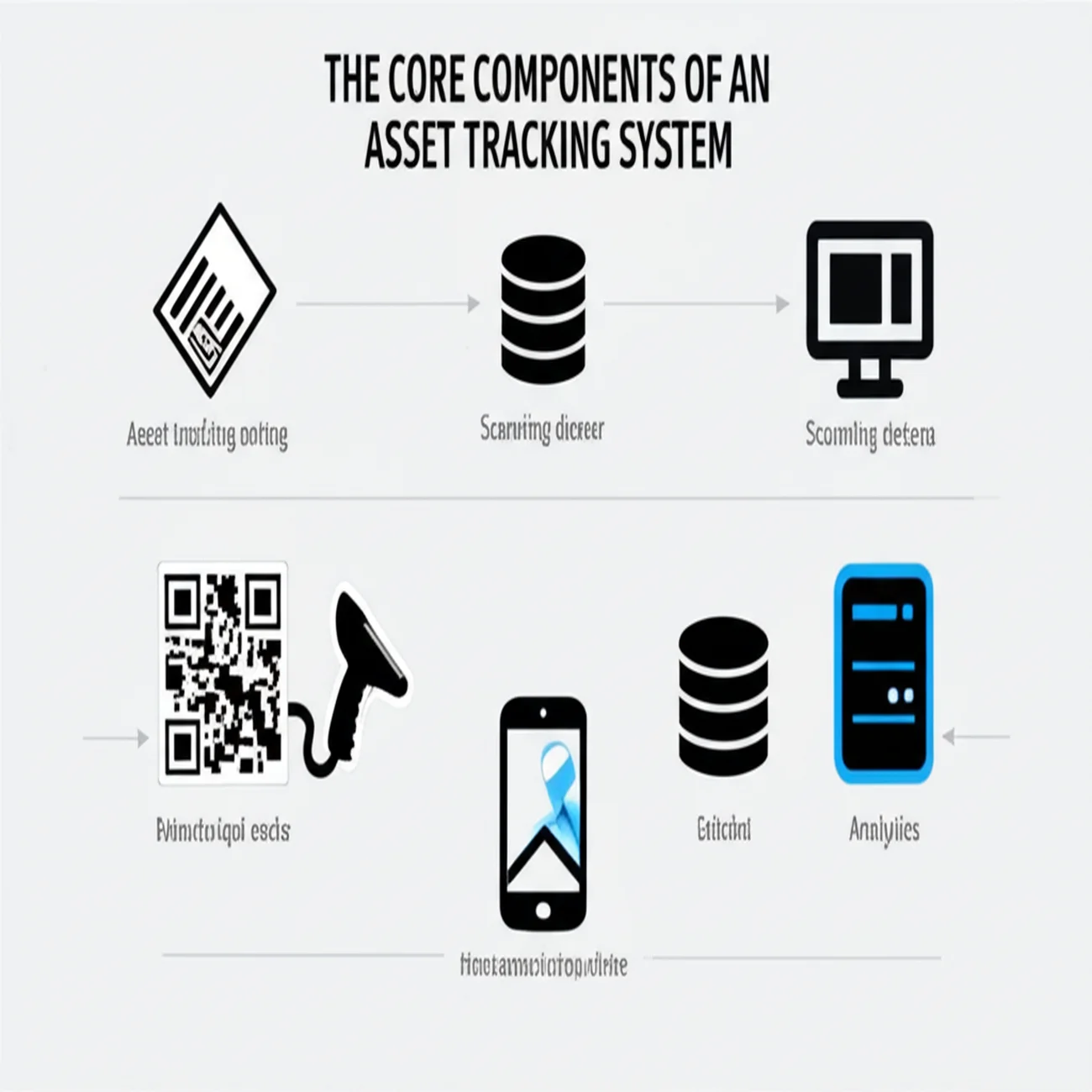
At the heart of any effective asset tracking system lies a robust suite of technologies. These technologies work together to provide a comprehensive view of an asset’s lifecycle. Several key components are typically involved:
- Sensors: These are the eyes and ears of the system. Various types of sensors can be integrated, including Bluetooth beacons, RFID tags, GPS trackers, and even image recognition technology. Bluetooth beacons, for example, emit signals that smartphones can detect, allowing for precise location tracking. RFID tags, which are embedded in or attached to assets, provide a unique identifier for each item.
- Mobile Devices: Employees often use smartphones or tablets to access and update asset information. These devices can be equipped with GPS capabilities, allowing for real-time location tracking. Mobile apps provide a user-friendly interface for viewing asset details, logging usage, and initiating maintenance tasks.
- Cloud Platform: The cloud platform serves as the central hub for data storage, processing, and analysis. It provides a secure and scalable environment for managing asset data, generating reports, and integrating with other business systems. Popular cloud platforms include AWS, Azure, and Google Cloud.
- Data Analytics & Reporting: The collected data from sensors and mobile devices is analyzed to identify trends, patterns, and potential issues. Reporting tools provide insights into asset utilization, location, maintenance needs, and overall asset health. This data-driven approach allows for proactive interventions and optimized resource allocation.
Benefits of Implementing an Asset Tracking System
The advantages of investing in an asset tracking system are numerous and can significantly impact an organization’s bottom line. Here are some key benefits:
- Reduced Loss and Theft: Real-time tracking and geofencing capabilities dramatically reduce the risk of loss or theft. Knowing the exact location of an asset at any given time minimizes the opportunity for unauthorized removal.
- Improved Inventory Management: Asset tracking systems provide a clear picture of inventory levels, helping to optimize stock levels and reduce carrying costs. This is particularly beneficial for industries with high inventory turnover, such as manufacturing and logistics.
- Enhanced Operational Efficiency: By tracking asset location and usage, organizations can identify bottlenecks, optimize workflows, and improve overall operational efficiency. For example, maintenance teams can quickly locate equipment needing repair, minimizing downtime.
- Streamlined Maintenance: Predictive maintenance capabilities, powered by asset tracking data, allow for proactive maintenance scheduling. This reduces unexpected breakdowns, extends asset lifespan, and lowers maintenance costs.
- Improved Compliance: Many industries are subject to regulatory requirements regarding asset tracking and security. A robust system can help organizations demonstrate compliance with these regulations.
- Better Asset Utilization: Knowing where assets are being used allows for better planning and allocation, maximizing their value and minimizing wasted resources.
Specific Use Cases Across Industries
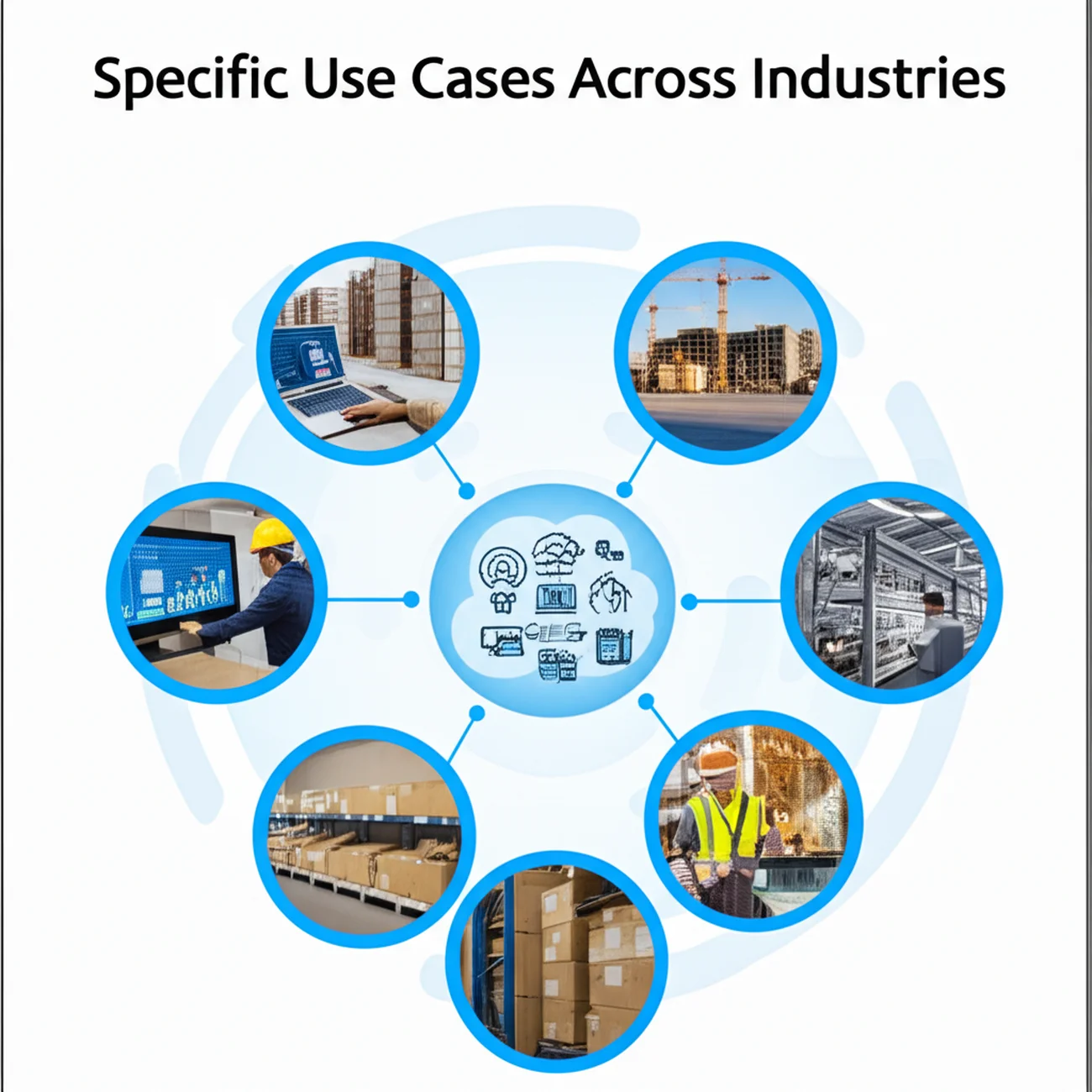
The application of asset tracking systems extends far beyond simple inventory management. Different industries benefit from tailored solutions:
- Manufacturing: Tracking machinery, tools, and raw materials is crucial for optimizing production schedules and minimizing downtime. Real-time location tracking allows for efficient material flow and reduces bottlenecks.
- Logistics & Transportation: Tracking vehicles, containers, and shipments is essential for optimizing delivery routes, reducing delays, and improving visibility. GPS tracking and geofencing are commonly used in this sector.
- Healthcare: Tracking medical equipment, supplies, and staff is critical for ensuring patient safety and compliance. Asset tracking systems can help prevent equipment loss and improve inventory management.
- Retail: Tracking inventory, equipment, and store assets is vital for optimizing operations, reducing shrinkage, and improving customer service.
- Construction: Tracking equipment, materials, and labor is essential for project management and cost control. GPS tracking and mobile app integration are commonly used in construction sites.
Choosing the Right Asset Tracking System: Key Considerations
Selecting the appropriate asset tracking system requires careful consideration of several factors. Here are some key considerations:
- Business Needs: Start by identifying your specific needs and challenges. What are your biggest pain points related to asset tracking?
- Technology Options: Explore different types of asset tracking systems, including RFID, Bluetooth beacons, GPS trackers, and cloud-based platforms.
- Scalability: Choose a system that can scale with your business as it grows.
- Integration: Ensure the system can integrate with your existing business systems, such as ERP, CRM, and accounting software.
- Cost: Consider the total cost of ownership, including hardware, software, installation, and ongoing maintenance.
- Security: Prioritize systems with robust security features to protect your data.
- User-Friendliness: Select a system that is easy for your employees to use and understand.
The Future of Asset Tracking: Beyond Sensors

The future of asset tracking is moving beyond simple sensor technology. Emerging trends include:
- Artificial Intelligence (AI) & Machine Learning (ML): AI and ML are being used to analyze data from asset tracking systems, predict maintenance needs, and automate tasks.
- Internet of Things (IoT): The IoT is connecting assets to the internet, enabling remote monitoring, diagnostics, and control.
- Blockchain: Blockchain technology is being explored for enhancing asset security and traceability.
- Augmented Reality (AR): AR applications are being used to provide real-time asset location and status information to employees.
Conclusion
Asset tracking systems are no longer a luxury; they are a necessity for businesses seeking to improve efficiency, reduce costs, and gain a competitive advantage. By understanding the core components of an asset tracking system, recognizing the benefits it offers, and carefully considering the factors involved in selecting a solution, organizations can unlock significant value and optimize their operations. As technology continues to evolve, the role of asset tracking systems will only become more critical. Investing in a robust and well-integrated system is a strategic move that can pay dividends for years to come. The ability to accurately and efficiently track assets is a key differentiator in today’s competitive marketplace.
