
The world of finance is constantly evolving, and the rise of algorithmic trading has fundamentally changed how investments are made. Gone are the days of relying solely on human intuition; today, sophisticated computer programs are increasingly employed to execute trades, analyze market trends, and optimize investment strategies. At the forefront of this revolution are automated trading bots – intelligent programs designed to execute trades based on pre-defined rules and algorithms. This article will delve into the world of automated trading bots, exploring their capabilities, benefits, challenges, and essential considerations for anyone looking to leverage this powerful technology. Trading Bot strategies are no longer a futuristic concept; they are a practical and increasingly sophisticated tool for achieving financial goals. Understanding how these bots work and how to effectively utilize them is crucial for anyone seeking to improve their investment performance.
The core of an automated trading bot lies in its ability to analyze vast amounts of data and execute trades with speed and precision. Unlike human traders who are susceptible to emotions and biases, bots operate according to a set of rules, constantly monitoring market conditions and adjusting their strategies accordingly. This results in potentially higher returns and reduced risk, although it’s important to acknowledge that even the most sophisticated bots aren’t foolproof. The effectiveness of a trading bot hinges on several key factors, including the quality of the data it receives, the sophistication of its algorithms, and the ongoing maintenance and optimization of its code. Furthermore, regulatory compliance and ethical considerations are paramount in the development and deployment of automated trading systems.
Understanding the Basics of Trading Bot Programming
Before diving into specific strategies, it’s essential to grasp the fundamental concepts behind trading bot programming. These bots typically utilize programming languages like Python, R, or C++ to analyze market data, execute trades, and manage risk. The programming logic is built around a set of rules, often referred to as “trading rules” or “algorithms.” These rules dictate when to buy, sell, and how much to trade based on various factors, such as price movements, technical indicators, and order book dynamics.
A common approach involves using “market data feeds” – APIs (Application Programming Interfaces) that provide real-time information about stock prices, trading volume, and other market data. These feeds allow the bot to continuously monitor the market and react to changes in price and volume. Sophisticated bots often incorporate “sentiment analysis” – algorithms that gauge the overall mood of the market based on news articles, social media posts, and other sources of information. This helps bots identify potential trading opportunities that might be missed by human traders. The success of a trading bot is directly proportional to the quality and accuracy of its data feeds and the sophistication of its algorithms.
Types of Trading Bot Strategies
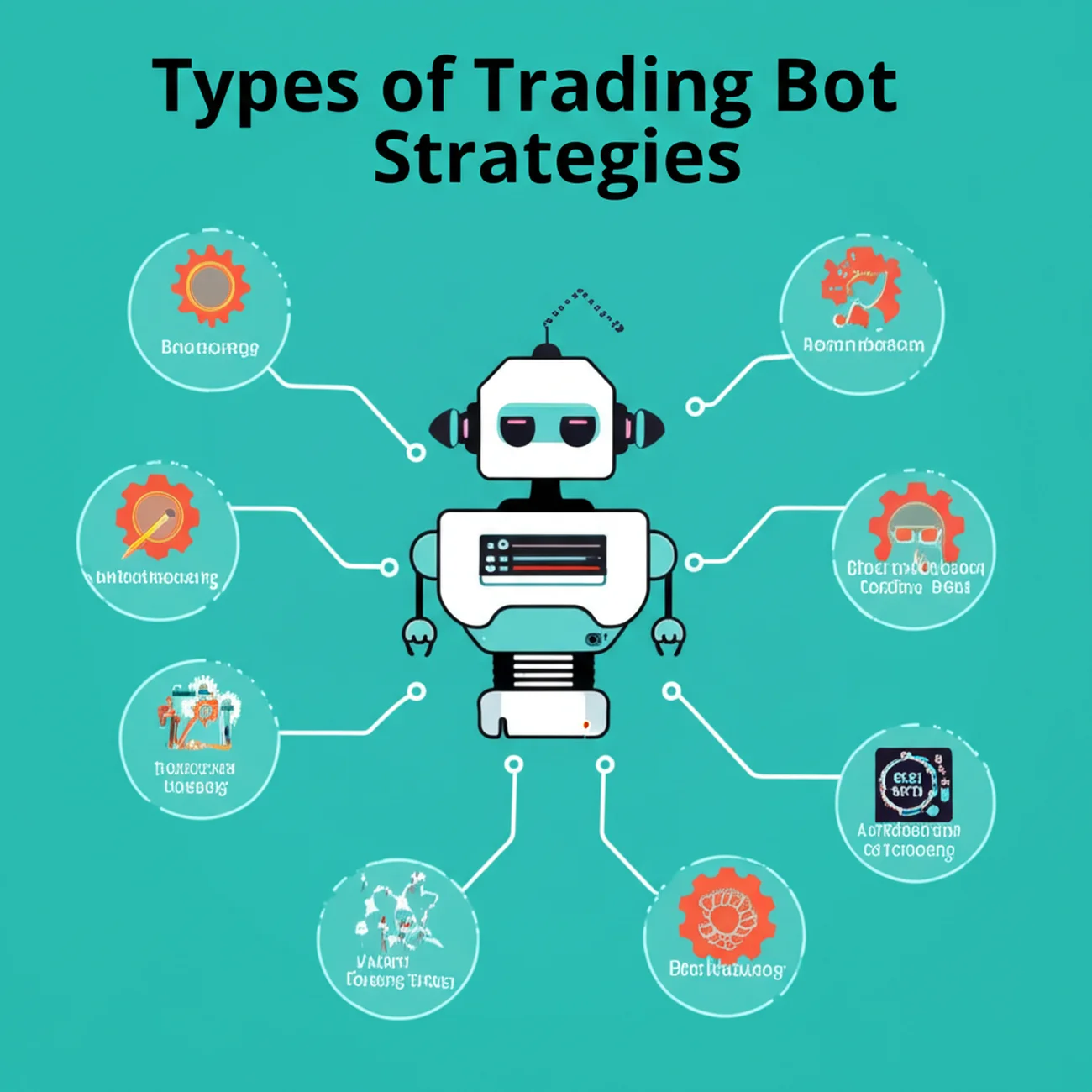
Numerous different strategies can be implemented within a trading bot, each with its own strengths and weaknesses. Here are a few prominent examples:
- Trend Following: This strategy relies on identifying and capitalizing on established trends in the market. The bot will analyze price charts and use indicators like moving averages to identify trends and then execute trades to profit from the trend’s continuation. For example, a trend-following bot might buy when the price is trending upwards and sell when it’s trending downwards. This approach is particularly effective in volatile markets.
- Mean Reversion: This strategy exploits the tendency of prices to revert to their historical average. The bot will identify assets that have deviated significantly from their average price and then execute trades to profit from the reversion to the mean. This strategy is often used in correlation trading, where the bot seeks to profit from the relationship between different assets.
- Arbitrage: This strategy aims to profit from price discrepancies between different markets or exchanges. The bot will automatically identify these discrepancies and execute trades to capture the difference in prices. Arbitrage opportunities are often fleeting, but they can generate significant profits if they are identified quickly.
- Statistical Arbitrage: This is a more advanced strategy that uses statistical models to identify and exploit small price differences between related assets. It requires sophisticated statistical analysis and can be computationally intensive.
- Index Tracking: Many bots are designed to mimic the performance of a specific market index, such as the S&P 500. These bots continuously monitor the index and adjust their holdings to match the index’s performance. This is a relatively simple strategy but can be effective for investors who want to achieve broad market exposure.
The Role of Technical Indicators in Trading Bot Development
Technical indicators are mathematical calculations derived from historical price and volume data that are used to identify patterns and predict future price movements. They are a cornerstone of many trading bot strategies. Common indicators include:
- Moving Averages: These indicators smooth out price data by calculating the average price over a specific period. They are widely used to identify trends and potential support and resistance levels.
- Relative Strength Index (RSI): This indicator measures the magnitude of recent price changes to evaluate overbought or oversold conditions.
- MACD (Moving Average Convergence Divergence): This indicator shows the relationship between two moving averages and can be used to identify trend changes and potential momentum shifts.
- Bollinger Bands: These bands represent the volatility of an asset’s price and can be used to identify potential overbought or oversold conditions.
The choice of indicators and their parameters is crucial for the success of a trading bot. Different bots will use different combinations of indicators and adjust their parameters based on market conditions. It’s important to understand the limitations of each indicator and to use them in conjunction with other analysis techniques.
Data Feeds and API Integration – The Engine of Automation
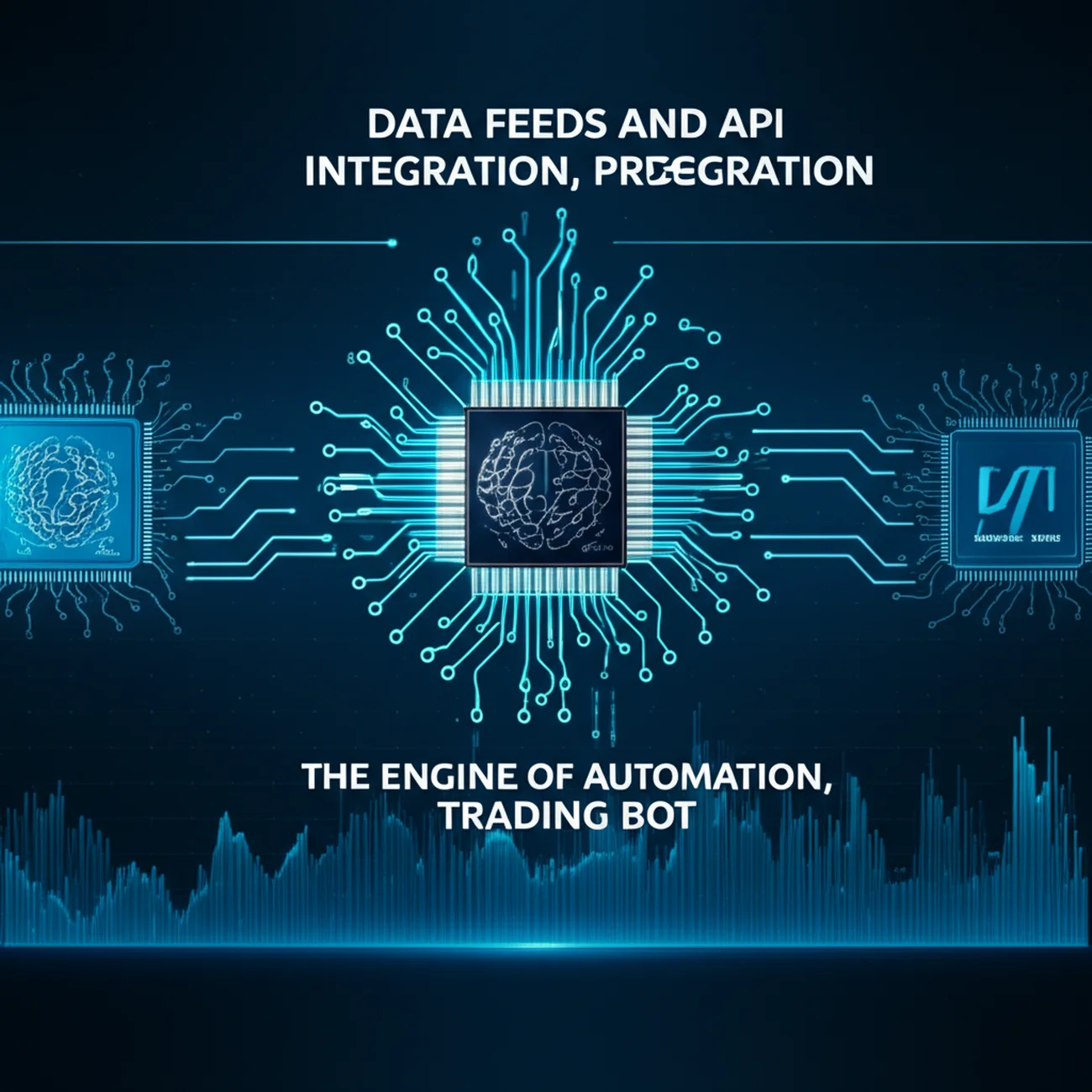
The availability and reliability of data feeds are absolutely critical for any automated trading bot. These feeds provide real-time information about market prices, trading volume, and other relevant data. Popular data feed providers include:
- Interactive Brokers: Offers a comprehensive API for accessing market data and executing trades.
- Refinitiv: Provides access to historical data and analytics for financial markets.
- Bloomberg: A leading provider of financial data and news.
- Alpha Vantage: Offers a free API for accessing market data and technical indicators.
API integration is the process of connecting a trading bot to a data feed. This allows the bot to automatically retrieve market data and execute trades without manual intervention. Proper API integration is essential for ensuring that the bot receives accurate and timely data. Error handling and robust error management are also crucial aspects of API integration.
Challenges and Risks Associated with Automated Trading

While automated trading bots offer numerous benefits, they also come with significant challenges and risks. Some of the key challenges include:
- Market Volatility: Unexpected market fluctuations can disrupt bot strategies and lead to losses.
- Algorithm Errors: Bugs or flaws in the bot’s code can result in unintended trades.
- Data Feed Errors: Interruptions in data feeds can prevent the bot from accessing real-time market information.
- Security Risks: Bot systems are vulnerable to hacking and cyberattacks.
- Regulatory Compliance: Automated trading systems must comply with relevant regulations, which can be complex and vary by jurisdiction.
- Over-Optimization: Trying to optimize a bot for past performance can lead to it failing in future market conditions.
It’s crucial to understand these risks and to implement appropriate safeguards to mitigate them. Regular testing, monitoring, and security audits are essential for maintaining the reliability of automated trading systems.
The Importance of Backtesting and Optimization
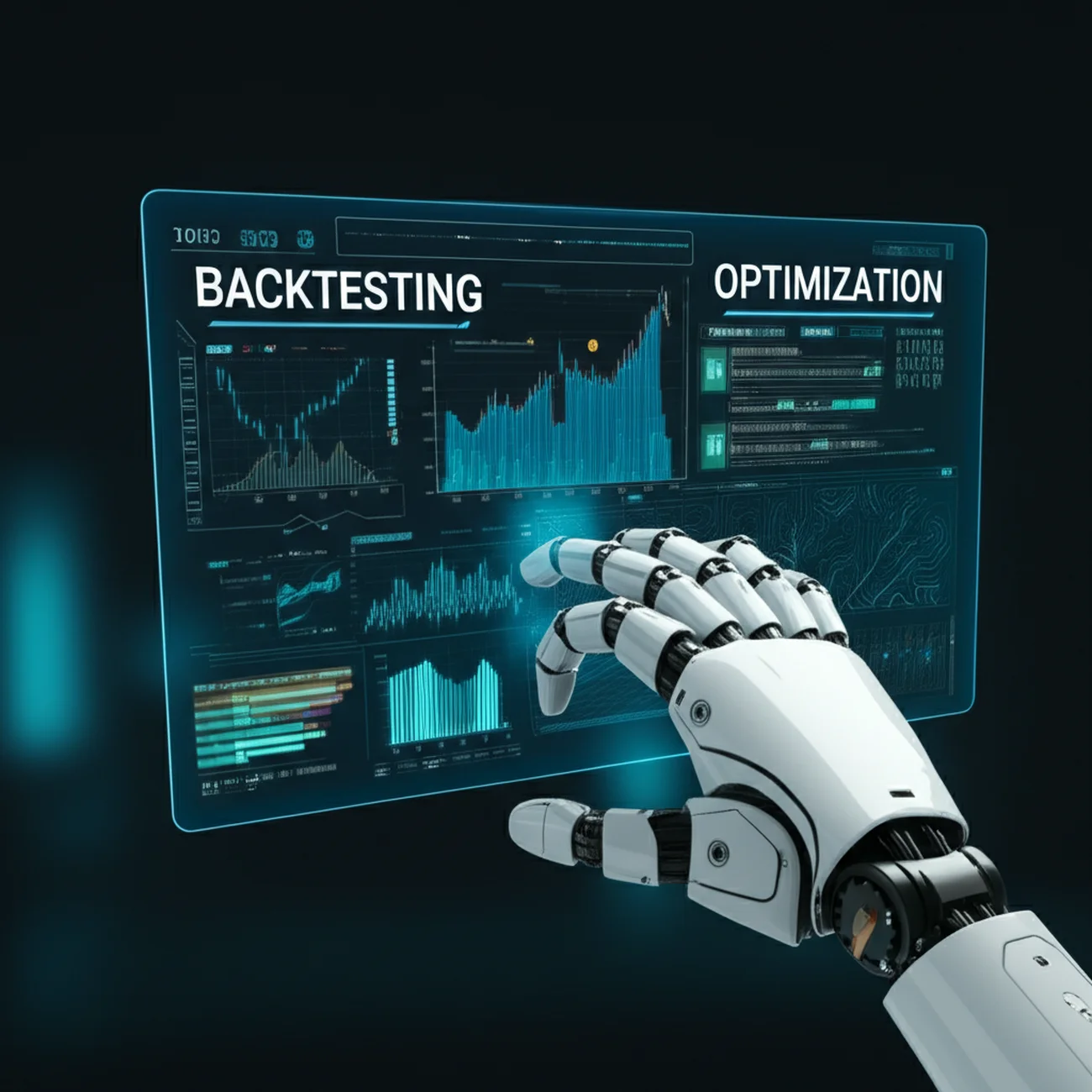
Before deploying a trading bot to a live trading account, it’s essential to perform thorough backtesting. Backtesting involves simulating the bot’s performance on historical data to assess its effectiveness. This allows traders to evaluate the bot’s strategy under various market conditions and identify potential weaknesses. Backtesting should be conducted using realistic market data and accounting for transaction costs and slippage.
Optimization is another critical aspect of bot development. After backtesting, the bot’s parameters and rules can be adjusted to improve its performance. This process involves iteratively refining the bot’s strategy based on the results of backtesting and real-world trading. Continuous monitoring and optimization are essential for maintaining the effectiveness of a trading bot over time.
Conclusion: Embracing the Future of Trading
Automated trading bots represent a powerful tool for investors seeking to improve their investment performance. By leveraging the capabilities of programming and data analysis, these bots can execute trades with speed and precision, potentially capitalizing on market opportunities that might be missed by human traders. However, it’s crucial to approach automated trading with a realistic understanding of the challenges and risks involved. Proper data feeds, robust algorithms, rigorous testing, and ongoing monitoring are essential for ensuring the success of any automated trading system. As technology continues to advance, automated trading bots will undoubtedly play an increasingly important role in the future of finance. The key to success lies in a combination of technical expertise, strategic thinking, and a commitment to continuous improvement. Ultimately, the most effective automated trading bots are those that are constantly learning and adapting to the ever-changing dynamics of the market. Trading Bot strategies are not a guaranteed path to riches, but with careful planning, diligent execution, and a willingness to adapt, they can significantly enhance investment outcomes.
