
Blockchain technology has revolutionized numerous industries, and the world of trading is no exception. Traditional financial systems often rely on intermediaries, leading to slow transaction times, high fees, and a lack of transparency. Blockchain offers a fundamentally different approach, enabling secure, decentralized, and verifiable transactions. At the heart of this transformation lies the concept of blockchain consensus algorithms – the mechanisms that ensure all participants agree on the state of the ledger. Understanding these algorithms is crucial for anyone involved in trading, whether as a trader, investor, or regulator. This article will delve into the most prominent consensus algorithms, exploring their strengths, weaknesses, and practical applications within the context of modern trading.
The Need for Decentralized Consensus

The limitations of centralized systems – like traditional banking – have fueled the demand for decentralized alternatives. Blockchain’s inherent properties – immutability, transparency, and distributed ledger technology – directly address these issues. Instead of relying on a single authority to validate transactions, a network of computers works together to achieve consensus. This distributed approach dramatically reduces the risk of manipulation and increases trust. The core principle is that every participant in the network has a copy of the blockchain, and any changes must be validated by a majority of the network. This is a powerful mechanism for ensuring data integrity and preventing fraud. The shift towards blockchain consensus algorithms is not merely a technological advancement; it’s a fundamental shift in how trust is established within the financial ecosystem.
Proof-of-Work (PoW) – The Traditional Approach

One of the earliest and most well-known consensus algorithms is Proof-of-Work (PoW). Developed by Bitcoin, PoW relies on miners competing to solve complex cryptographic puzzles. The first miner to solve the puzzle gets to add the next block of transactions to the blockchain and is rewarded with newly minted cryptocurrency. The difficulty of these puzzles adjusts dynamically to maintain a consistent block creation rate.
Key Characteristics of PoW:
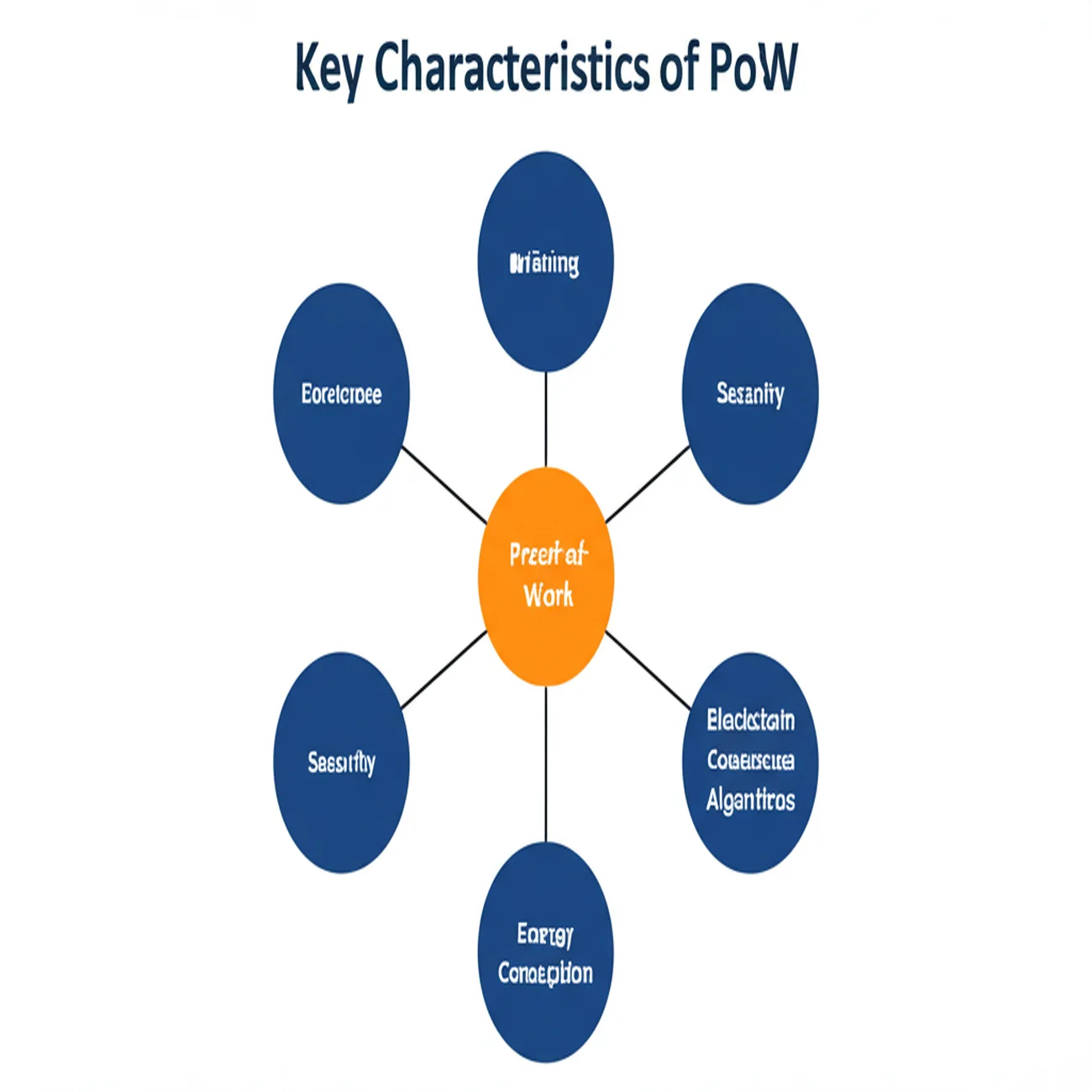
- Security: PoW is renowned for its security, as it’s computationally expensive to attack the network. To successfully manipulate the blockchain, an attacker would need to control more than 50% of the network’s hashing power – a feat that is incredibly challenging and costly.
- Energy Consumption: PoW’s reliance on energy-intensive computations has been a significant criticism.
- Scalability: PoW typically suffers from scalability issues, meaning it can be slow and difficult to process a large volume of transactions.
Example: Bitcoin’s PoW system is a prime example of how this algorithm has been implemented in practice. The continuous competition between miners to solve the cryptographic puzzles secures the network and maintains its integrity.
Delegated Proof-of-Stake (DPoS) – A More Efficient Alternative

Delegated Proof-of-Stake (DPoS) offers a more efficient alternative to PoW. In DPoS, token holders vote for “delegates” – individuals or organizations – who are responsible for validating transactions and creating new blocks. These delegates are chosen based on their stake in the network.
Key Characteristics of DPoS:
- Scalability: DPoS is significantly faster and more scalable than PoW, as it typically has a smaller number of validators.
- Energy Efficiency: DPoS consumes considerably less energy than PoW.
- Security: DPoS relies on the reputation and trustworthiness of the delegates. If a delegate acts maliciously, they can be voted out.
- Centralization Concerns: Critics argue that DPoS can lead to centralization, as a small number of delegates control the network.
Example: EOS, a blockchain platform utilizing DPoS, has demonstrated impressive scalability and transaction speeds. Token holders delegate their voting rights to validators who are responsible for maintaining the blockchain.
Practical Applications of Blockchain Consensus Algorithms

The choice of consensus algorithm has a profound impact on the performance and usability of a blockchain. Let’s examine how these algorithms are applied in the context of trading:
- Ethereum (Transitioning to Proof-of-Stake): Ethereum is undergoing a significant transition to Proof-of-Stake (PoS) consensus. This shift aims to improve energy efficiency and scalability while maintaining the security of the network. The transition is ongoing, and the final implementation will determine the long-term impact on Ethereum’s ecosystem.
- Solana: Solana utilizes a unique consensus mechanism called Proof-of-History (PoH), combined with Proof-of-Stake. This allows for extremely high transaction throughput and low fees.
- Cardano: Cardano employs a Proof-of-Stake (PoS) algorithm with a focus on sustainability and scalability. It emphasizes a rigorous and transparent development process.
- Layer-2 Solutions: Many blockchain networks are incorporating Layer-2 scaling solutions, which operate on top of the main blockchain to handle transactions off-chain. These solutions often utilize different consensus algorithms to improve speed and reduce congestion.
The Role of Smart Contracts and Consensus
Smart contracts, self-executing agreements written in code, are increasingly integrated into blockchain trading platforms. These contracts automate various aspects of the trading process, such as order matching, settlement, and escrow services. The consensus algorithm underpinning the smart contracts plays a critical role in ensuring their reliability and security. For example, in a decentralized exchange (DEX), the consensus algorithm determines which transactions are valid and are added to the blockchain.
Beyond the Core Algorithms – Emerging Trends
Research into consensus algorithms is ongoing, with new approaches being explored. Some notable trends include:
- Directed Acyclic Graphs (DAGs): DAG-based consensus mechanisms, like IOTA, offer potential advantages in terms of scalability and transaction speed.
- Hybrid Consensus Mechanisms: Combining elements of different algorithms can create more robust and efficient systems.
- Proof-of-Authority (PoA): PoA relies on a limited number of trusted validators, offering high throughput but potentially lower security.
Conclusion: The Future of Blockchain Consensus
Blockchain consensus algorithms are the bedrock of the decentralized trading landscape. Each algorithm – PoW, DPoS, and others – possesses unique strengths and weaknesses, and the optimal choice depends on the specific requirements of the application. As blockchain technology continues to evolve, we can expect to see further innovation in consensus mechanisms, leading to even more efficient, secure, and scalable trading platforms. Understanding these algorithms is not just about technical knowledge; it’s about grasping the fundamental principles that are driving the transformation of the financial industry. The ongoing development and refinement of these algorithms will undoubtedly shape the future of trading and investment.
