Blockchain technology has moved beyond its initial promise of secure and transparent transactions to become a foundational element across numerous industries. However, the underlying technology – the distributed ledger – isn’t inherently efficient. Its performance – how quickly and reliably it processes transactions – is a critical factor determining its widespread adoption and utility. This article delves into the key aspects of blockchain network performance, exploring the factors that influence it and offering insights into how to optimize it for various applications. Blockchain network performance is no longer a secondary concern; it’s a fundamental requirement for realizing the full potential of blockchain. Understanding this landscape is crucial for anyone considering integrating blockchain into their business or project.
The initial hype surrounding blockchain often focused on theoretical speed and scalability. While advancements have been made, achieving consistently high performance remains a challenge. Several factors contribute to the varying levels of performance observed across different blockchain networks. These include consensus mechanisms, block size, transaction throughput, and the overall network architecture. Let’s examine these elements in detail.
1. Consensus Mechanisms and Their Impact
The consensus mechanism – the method by which a blockchain network agrees on the validity of transactions – is arguably the most significant determinant of performance. Different consensus mechanisms have vastly different speeds and energy consumption. Proof-of-Work (PoW), famously used by Bitcoin, is notoriously slow and energy-intensive. It requires significant computational power to solve complex cryptographic puzzles, leading to long confirmation times. This is a major bottleneck for applications requiring near-instantaneous transaction processing. In contrast, Proof-of-Stake (PoS) mechanisms, gaining traction with Ethereum, offer a more energy-efficient alternative. Validators are selected based on the amount of cryptocurrency they hold and are willing to “stake” as collateral, significantly reducing the computational burden. However, PoS implementations can sometimes be slower than PoW, and the selection process can introduce potential vulnerabilities. The choice of consensus mechanism directly impacts the speed and scalability of a blockchain. Research consistently demonstrates that PoS networks generally exhibit faster transaction speeds and higher throughput compared to PoW networks, although the optimal choice depends heavily on the specific application’s requirements.
2. Block Size and Transaction Throughput
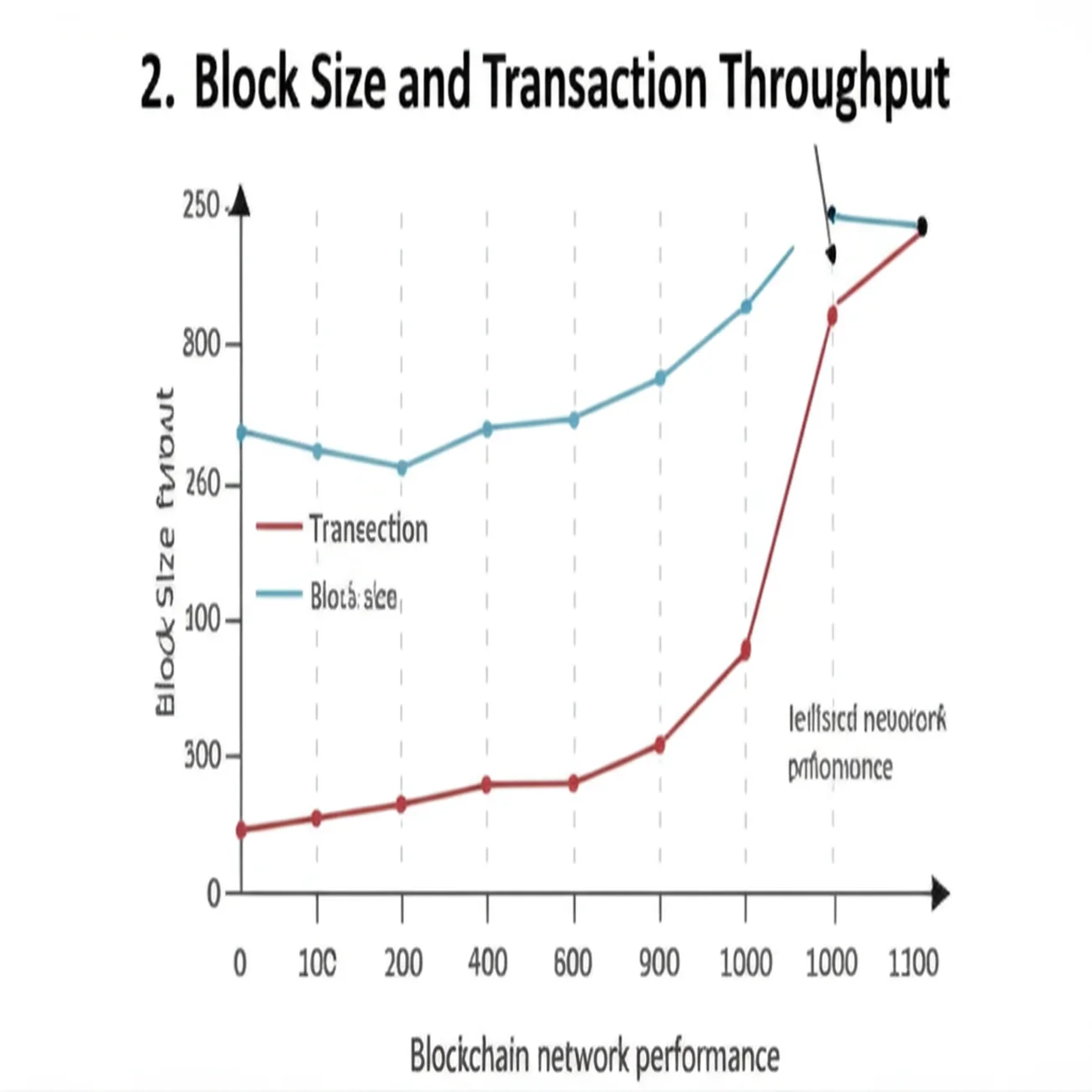
Block size refers to the maximum amount of data that can be included in a single block. Larger block sizes generally lead to higher transaction throughput – the number of transactions processed per second – but also increase the storage requirements for nodes and can potentially slow down consensus. The Bitcoin blockchain, for example, has a relatively small block size (around 1MB), which limits its transaction throughput. Ethereum, on the other hand, has experimented with larger block sizes, but this has introduced challenges related to scalability and network congestion. The optimal block size is a delicate balance between throughput and network stability. Increasing block size can boost throughput, but it also increases the risk of orphaned blocks and network congestion. Furthermore, the network’s capacity to handle increased transaction volume is directly tied to the underlying hardware and software capabilities of the nodes. As the blockchain network grows, maintaining consistent performance becomes increasingly complex.
3. Network Topology and Node Distribution
The physical layout of a blockchain network – its topology – plays a crucial role in its performance. A highly decentralized network with numerous independent nodes is generally more resilient and can handle higher transaction volumes. A centralized network, where a small number of powerful nodes control the majority of the network’s resources, can be more efficient for certain applications but is more vulnerable to censorship and single points of failure. The distribution of nodes across different geographic regions is also important. A geographically diverse network is less susceptible to localized outages and can provide better resilience to network disruptions. Furthermore, the efficiency of routing protocols – the mechanisms used to direct transactions across the network – significantly impacts performance. Optimized routing protocols can minimize latency and improve throughput.
4. Transaction Fees and Gas Costs
Transaction fees, often referred to as “gas costs” on Ethereum, are a direct measure of the computational effort required to process a transaction. High transaction fees can discourage users from participating in the network, hindering its growth and adoption. The cost of transaction fees is influenced by network congestion – when the network is busy, fees tend to rise. Dynamic fee structures, which adjust fees based on network demand, are becoming increasingly common. These mechanisms aim to balance the need for incentivizing miners/validators with the desire to maintain a fair and efficient network. The level of transaction fees directly impacts the usability of a blockchain for various applications, particularly those requiring frequent transactions. Lower fees generally lead to increased transaction volume, while higher fees can discourage participation.
5. Layer-2 Scaling Solutions
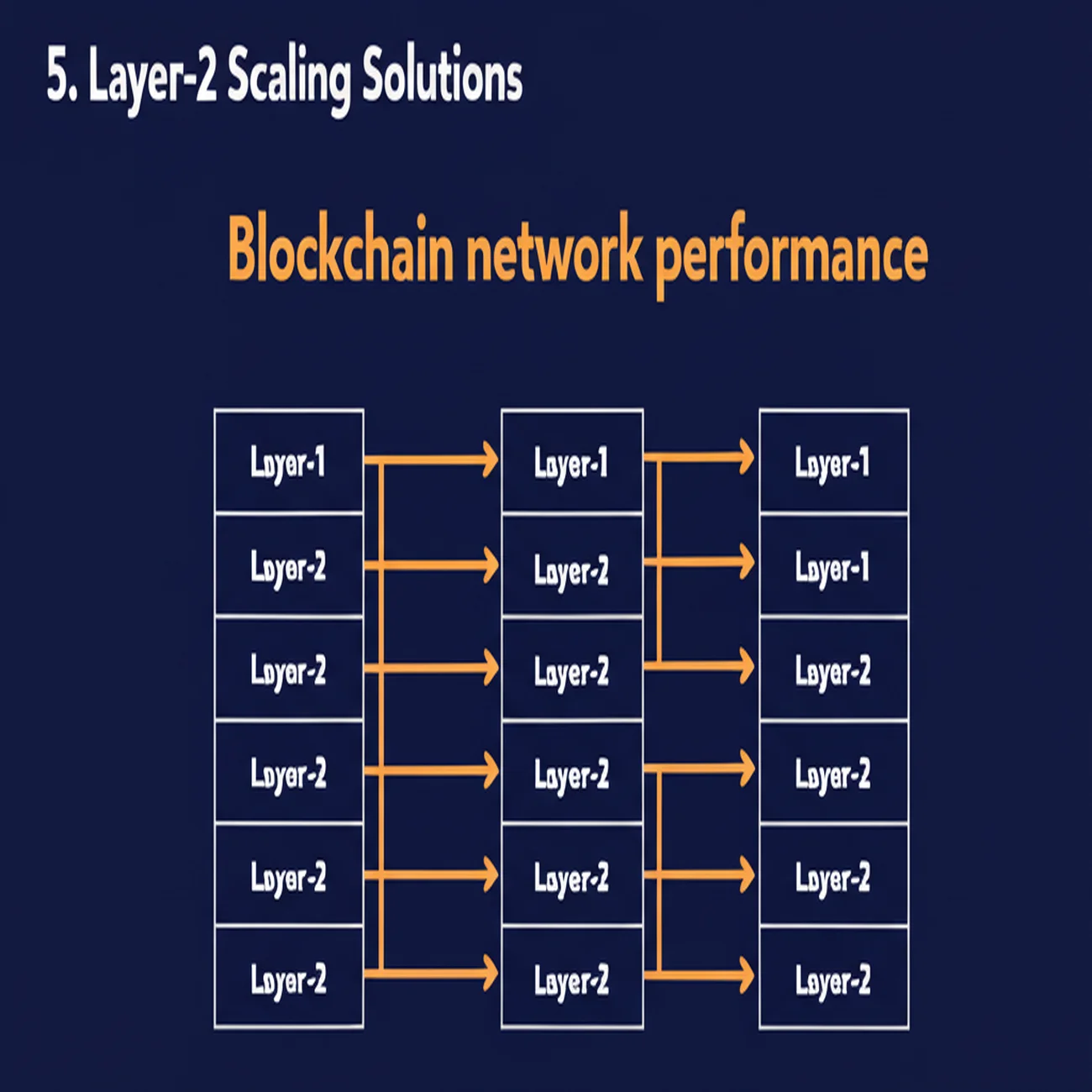
Layer-2 scaling solutions are designed to improve the performance of blockchain networks by processing transactions off-chain. These solutions typically involve building protocols that facilitate transactions between the main blockchain and a separate layer, such as a payment channel or sidechain. Examples include Lightning Network (for Bitcoin) and rollups (for Ethereum). Layer-2 solutions can significantly increase transaction throughput and reduce transaction fees, making blockchains more suitable for real-world applications. However, they introduce their own complexities and security considerations. The success of layer-2 solutions depends on their ability to maintain the security and integrity of the underlying blockchain. Furthermore, the performance of layer-2 solutions can be affected by factors such as congestion and the availability of validators.
6. Data Storage and Block Propagation
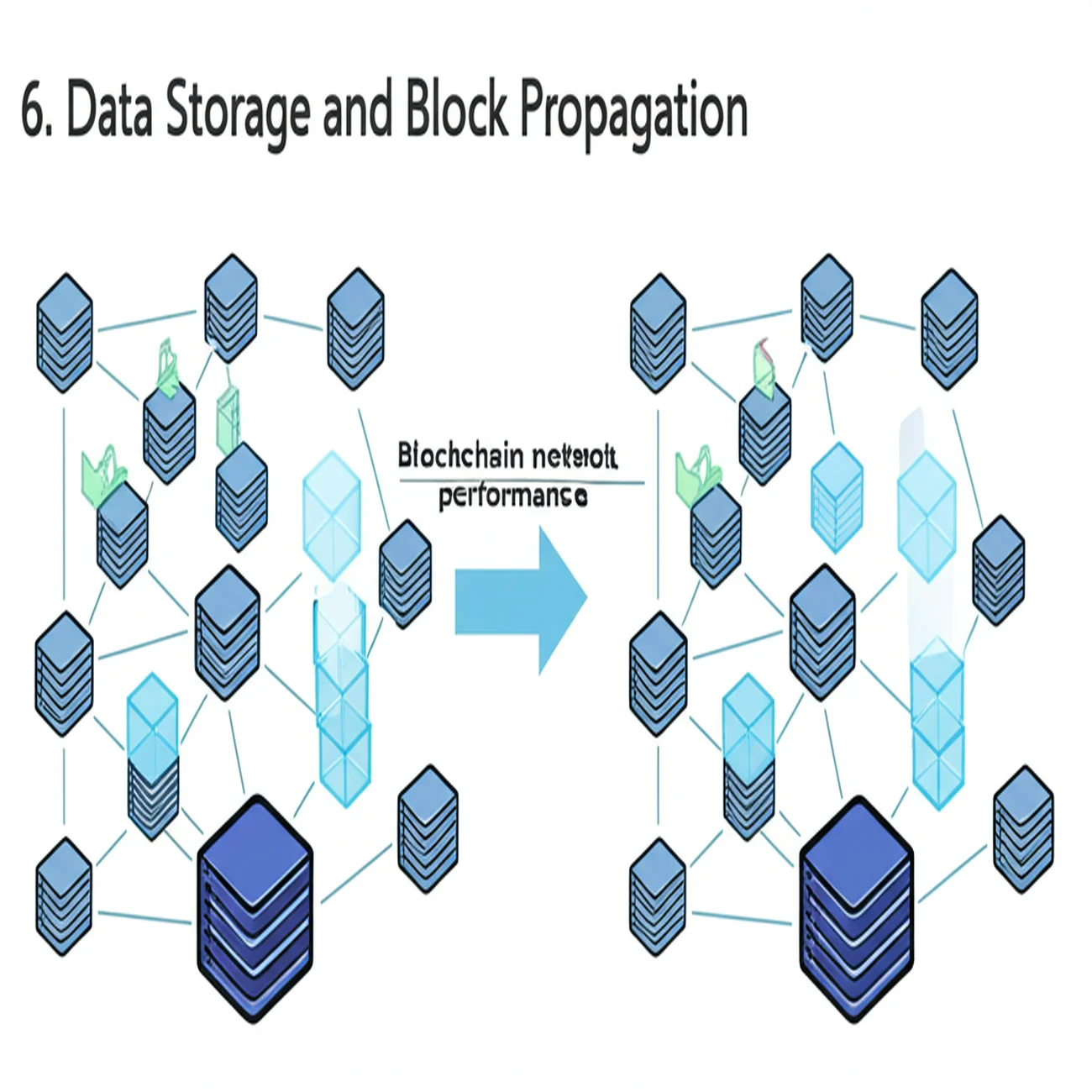
The speed at which data is stored on the blockchain and propagated to new nodes is a critical factor in overall performance. The time it takes for a new block to be validated and added to the blockchain directly impacts the speed at which transactions can be confirmed. Larger block sizes can improve propagation speed, but they also increase the storage requirements for nodes. Efficient data storage and propagation mechanisms are essential for maintaining a responsive and reliable blockchain. Furthermore, the efficiency of data compression and hashing techniques can impact the overall performance of the network. Optimized data structures and algorithms are crucial for minimizing latency and maximizing throughput.
7. Network Optimization Techniques
Numerous techniques are employed to optimize blockchain network performance. These include:
- Sharding: Dividing the blockchain into smaller, manageable shards, allowing for parallel processing of transactions.
- State Channels: Enabling direct, off-chain communication between participants, reducing the need for frequent transactions on the main blockchain.
- Sidechains: Independent blockchains that are linked to the main blockchain, allowing for customized functionalities and improved scalability.
- Optimized Data Structures: Employing efficient data structures for storing and retrieving blockchain data.
Conclusion
Blockchain network performance is a complex and multifaceted issue. There is no single “magic bullet” solution for improving performance. A holistic approach that considers the interplay of consensus mechanisms, block size, network topology, transaction fees, and scaling solutions is essential. As blockchain technology continues to evolve, ongoing research and development are focused on addressing these challenges and unlocking the full potential of blockchain for a wide range of applications. The continued pursuit of enhanced performance will be critical for the long-term success and widespread adoption of blockchain technology. Ultimately, understanding these performance characteristics empowers developers and users to make informed decisions about integrating blockchain into their projects and applications. The focus on blockchain network performance is no longer a niche concern; it’s a fundamental requirement for realizing the transformative potential of this technology.
